I
Umbrella identity
The BONGA Ecosystem
The complete family of institutions, systems, products and services—one ecosystem with clearly separated responsibilities.
Part of The BONGA Ecosystem
GIL OS™ helps people and institutions turn fragmented signals into evidence-disciplined intelligence, accountable judgement and responsible action. Its institutional core is GIL Research Institute.
Nature Is The First Intelligence™
Designed for decisions that carry consequences.
The operating sequence
Seven stages keep speed from outrunning truth. Each stage preserves what the next one needs—and what a named steward must still decide.
What is changing?
Detect the early pressure, pattern or lived reality before it is flattened into noise.
What is being said?
Separate statements, assumptions and interpretations so each can be tested on its own terms.
What do we actually know?
Trace sources, contradictions, uncertainty and confidence without pretending that volume equals truth.
What system produced this?
Map incentives, history, power, dependency and the human reality surrounding the decision.
Who could be affected?
Make immediate, structural and unintended consequences visible before they spread.
What could make it better?
Design proportional options that protect dignity, public value and the ability to change course.
Who is accountable?
Keep judgement, action, review and correction under named steward responsibility.
Permanent discipline
Preserve the signal. Test the claims. Protect the evidence. Prove the value. Retain the sovereign ability to leave.
The BONGA Ecosystem
Bonga Ltd carries verified UK legal and operational responsibility. GIL Research Institute is the institutional core. GIL OS governs the intelligence lifecycle. Each portfolio identity keeps its own accountable role.
Umbrella identity
The complete family of institutions, systems, products and services—one ecosystem with clearly separated responsibilities.
Institutional core
The research authority for evidence, institutional learning and stewardship across the ecosystem.
Constitutional authority
The governing principles that protect truth, human dignity, evidence, anti-capture design, named authority and correction.
Evidence function
Discovers evidence, tests claims, records contradiction and preserves provenance before judgement.
Governance system
The Operating System for Intelligence Governance—governing the journey from signal and evidence to action, learning and correction.
Public intelligence
The public-intelligence identity, grounded in the orientation that Nature Is The First Intelligence™.
UK legal entity
The legal and operational steward where the specific product or service relationship is verified.
GIL Research before GIL OS™. No material judgement should outrun its sources, uncertainty, contradictions, review owner or correction route.
Why this institution had to exist
“You can build something strong—and still watch a weak system break it.”
Lesley Ndzi Bongajum began by building businesses, not governance theory. In Cameroon, an early juice and smoothie venture grew into jobs, outlets and links with local farmers. Then crisis disrupted the system around it. The lesson was not that entrepreneurship had failed. It was that enterprise cannot permanently compensate for institutional fragility.
Rebuilding in Senegal changed the field of view. Culture, religion, media, finance and informal power could expand or narrow what people believed was possible. COVID-19 then made the interdependence impossible to ignore: a failure in health governance could become a failure in movement, livelihoods, logistics, education and trust.
Migration to the United Kingdom revealed another side of the same truth. Stronger institutions still distribute stability unevenly. Immigration rules, cost pressures, recognition of experience and access to opportunity decide who can rebuild, who can contribute and who remains administratively fragile. That lived passage now informs a future migration stewardship product: one designed to make pathways clearer and more dignified without turning personal distress into content or unverified evidence.
The cost was real: ventures interrupted, security traded for inquiry, and years of work redirected from faster commercial paths into patient institutional design. Long nights with AI did not produce a single clever answer; they exposed how easily intelligence becomes incoherent without memory, evidence boundaries and steward authority.
The accumulated work now spans draft doctrines, frameworks, domains, courses, books, principles, guardrails, governance standards, educational material and product architectures. Its breadth is not the claim. The standard is whether those ideas can become simpler, evidence-led systems that protect dignity and improve real outcomes.
That is why GIL OS exists: so entrepreneurs and job seekers can see structural barriers earlier; employees and employers can make fairer decisions; students and families can navigate opportunity with more clarity; and civil society, communities, institutions, politicians, governments and countries can act with evidence, memory and accountable stewardship. The horizon is global, but the work begins with one consequential decision made better.
Lesley Ndzi Bongajum
Lead Steward · The BONGA EcosystemGIL Research Institute
Institutional core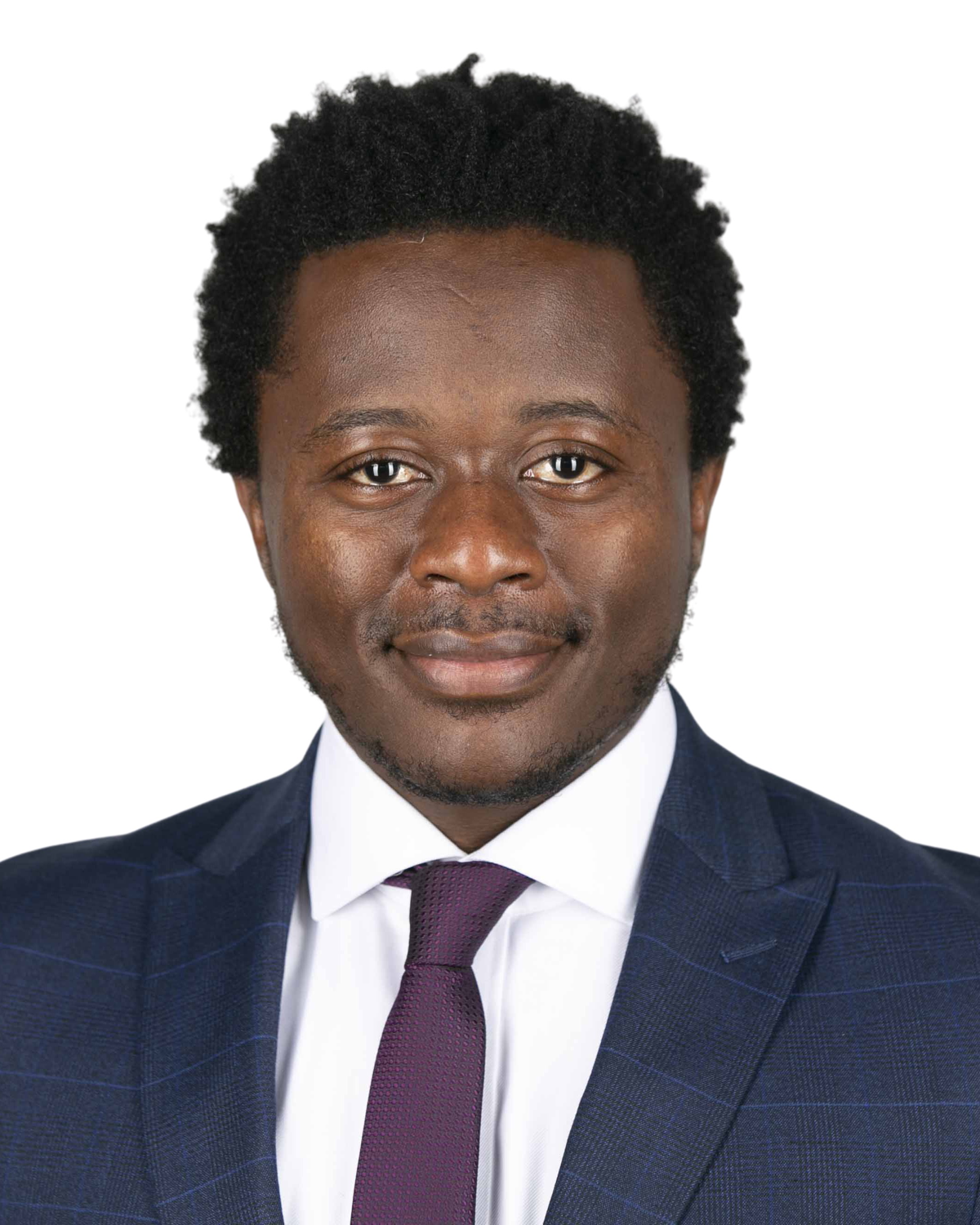
Trust is an operating condition
GIL OS does not automate consequential decisions or present every submission as truth. Material claims require traceable research, visible uncertainty, contradiction testing, privacy and harm review, named steward ownership, and a route to correct the record.
Begin with a real signal
Request a private stewardship diagnostic, submit a candidate signal for steward review or explore a partnership. Submissions are not treated as verified evidence or published automatically.
Do not submit emergencies, threats, identity documents, immigration case files, health records or other highly sensitive personal data through the form.